
Ads, Mediation, IAPs, and Store Rules
Monetizing a mobile app or game requires a careful balance between maximizing revenue and keeping the user experience seamless. Dropping an ad at the wrong moment or cluttering the interface can drive users away instantly. To build a highly profitable and sustainable mobile product, you need to master three core pillars: ad placement strategy, mediation networks, and app store compliance rules.
1. Strategic Ad Placements: Keeping it Natural
Where and when you show an ad dictates your retention rate. The goal is to integrate ads into natural pauses in gameplay or app usage rather than interrupting the user mid-action.
- Rewarded Videos (The Gold Standard): These are entirely optional videos that users choose to watch in exchange for an in-game reward (e.g., an extra life, doubling collected coins, or unlocking a premium skin). Place these on the game-over screen, shop menu, or multiplier prompts. Because users opt-in, these ads boast the highest engagement and eCPMs (effective Cost Per Mille).
- Interstitials (Full-Screen Ads): These are full-screen ads that should only appear during natural transitions—such as between levels, when returning to the main menu, or after a match concludes. Never trigger an interstitial immediately upon app launch, during active gameplay, or right after a user clicks a button expecting a different action.
- Banner Ads: These small rectangular ads sit anchored at the absolute top or bottom of the screen. They are excellent for static menu screens or utility apps. Ensure they never overlap UI buttons, touch controls, or interactive navigation bars to prevent accidental clicks.
2. Boosting Revenue with Ad Mediation
If you only use a single ad network, you are leaving money on the table. When your app requests an ad, that lone network might not have a buyer available, resulting in a missed impression (low fill rate), or they might offer a very low price.
Ad Mediation solves this by acting as an automated auctioneer. Instead of sending requests to just one company, your app pings a single mediation platform, which instantly forces multiple ad networks to compete for your ad slot. The network willing to pay the highest price wins the impression.
Popular Ad Networks & Mediation Platforms
To get started, you will want to integrate a top-tier mediation platform alongside major ad networks:
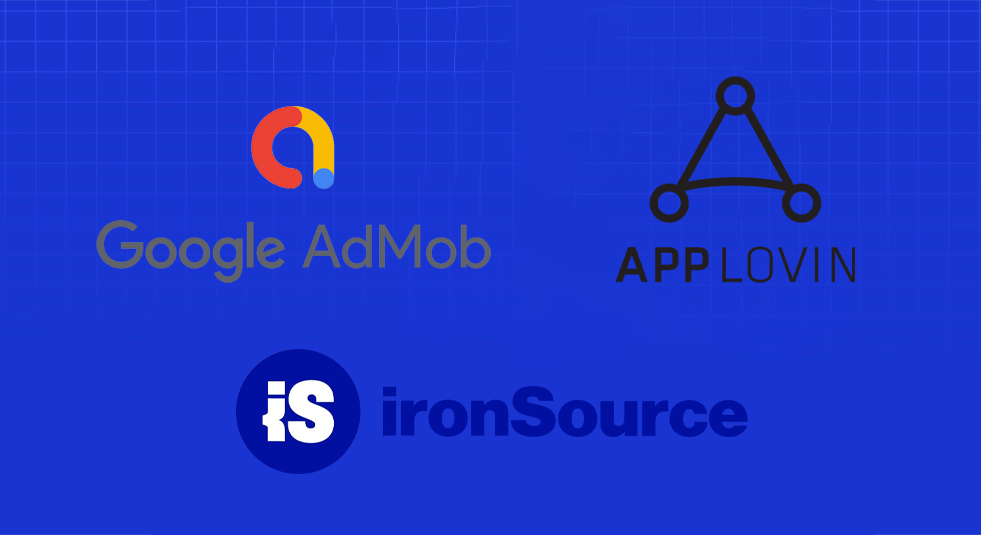
- Google AdMob / AppLovin MAX / IronSource: These are the leading mediation platforms in the industry. They handle the complex bidding systems and SDK integrations smoothly.
- Top Bidding Networks: Inside your mediation dashboard, you will link major ad demand sources like Google AdMob, Meta Audience Network, Unity Ads, and Mintegral to compete against each other.
3. In-App Purchases (IAP) & Hybrid Monetization
The strongest mobile business models utilize a hybrid strategy—combining free ad-supported access with premium In-App Purchases (IAP). This accommodates both casual players and those willing to spend money.
- Consumables: Items that get used up, such as in-game currency, energy refills, or health potions.
- Non-Consumables: One-time purchases that permanently unlock a feature, such as a “Remove Ads” button, premium level packs, or specialized character models.
- Subscription Models: Weekly or monthly passes that grant a steady stream of premium perks, ad-free viewing, or exclusive daily rewards.
- Implementation Rule: Both Google Play and the Apple App Store strictly require you to use their official native billing systems for any digital goods sold inside your app. You cannot use external payment processors (like PayPal or Stripe) for digital items, or your app will be instantly banned.
4. Critical App Store Rules & Acceptance Policies
Getting your app accepted—and keeping it live—on the Google Play Store and Apple App Store requires strict adherence to their developer policies.
Google Play & Apple App Store Checklist:
- The Google Play Data Safety Form: You must explicitly disclose exactly what user data your app collects (such as location, device IDs, or contact info) and how it is encrypted.
- Device Advertising ID Policies: Google requires developers to declare if their app uses the Advertising ID (AAID). If your app targets children (under 13), you cannot collect the advertising ID or serve personalized, targeted ads. You must configure your ad SDKs to serve non-personalized ads to child audiences.
- Accurate Content Ratings: When publishing, you will fill out a questionnaire to determine your app’s age rating. Be completely honest about violence, language, or simulated gambling. Misrepresenting your content to get a lower age rating will result in your app being pulled.
- Privacy Policy Page: You must host a public, dedicated Privacy Policy URL on a live website. This page must detail exactly what data your app, your ad networks, and your analytics platforms gather from the user.
By respecting your user’s experience with clean ad placements, driving up your earnings via a mediation bidding loop, and keeping your store metadata completely compliant, you’ll establish a rock-solid, revenue-generating mobile application.